Two hours into a morning walk, a new birder has often covered four miles, seen half a dozen birds and come home faintly disappointed. The birds were almost certainly there. What let the morning down was a handful of small habits, and every one of them is easy to change. Nothing below needs expensive kit or years of practice. It asks for patience, a little thought about how you move, and a willingness to slow down.
Rushing the walk
The commonest mistake is treating a birdwatching route like a hiking route. Birds read pace quickly. A person striding along a path registers as something passing through, and most species simply wait for you to be gone. Slow to a shuffle, stop every thirty or forty paces, and let your eyes work the hedge line ahead rather than the path at your feet.
Try this on your next outing: walk two hundred metres, then stand still for five minutes without lifting your binoculars. Birds that vanished as you approached will usually drift back within two or three minutes, and you will see behaviour a moving observer never gets — a dunnock shuffling through leaf litter, a treecreeper working its way up a trunk. Distance covered is not the measure of a good session.
Dressing for the walk instead of the watch
Sound carries further than you think. A crisp waterproof, a rustling rucksack, keys in a loose pocket or a velcro flap opened at the wrong moment will empty a hedgerow before you see anything in it. Colour matters less than noise and movement, but muted browns, greens and greys are still kinder at close range than white or high-visibility kit.
- Soft shell or fleece rather than a stiff, crackling waterproof when the forecast allows
- Muted colours; leave the bright jacket for the summit
- Keys, coins and phone tucked into a pocket with fabric over them
- A small, close-fitting bag instead of a swinging rucksack
- Snacks decanted out of crinkly wrappers before you set off
Getting too close
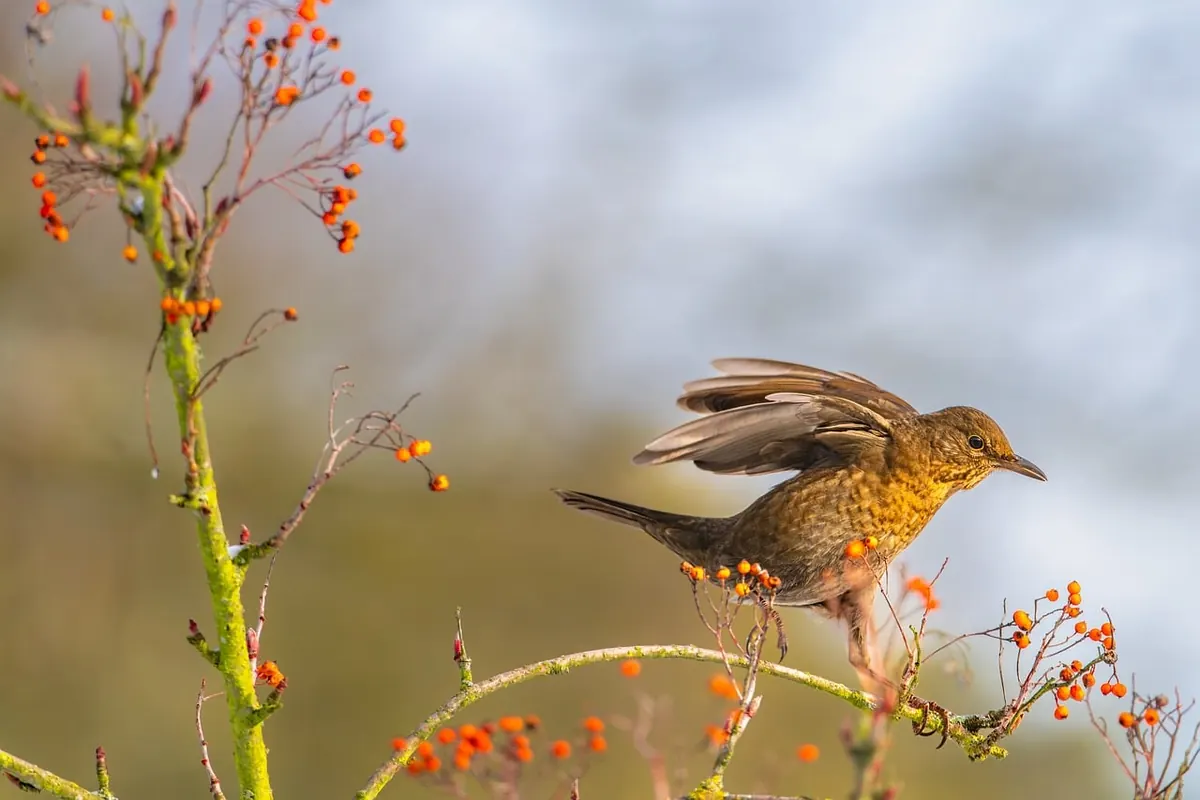
Every bird has a comfort distance, and it varies by species and situation. A robin in a park will tolerate a few feet; a curlew on an estuary may lift off when you are a hundred metres away. The warning signs are consistent: the bird stops feeding, stands tall, flicks its tail, gives an alarm call, then flies. Flushing a bird costs it energy it may not have to spare, particularly in cold weather. If it stops what it is doing to look at you, you are already at the edge of its tolerance.
- Watch from where you are for a full minute before moving at all.
- Move one step at a time, keeping low and using cover where you can.
- Pause after each step and let the bird settle.
- If it calls, flicks its tail or stops feeding, stand still or step back.
- Never follow a bird that is moving away, and keep well clear of nests, roosts and grounded young.
The best views usually come to the person who has stopped moving.
Only going out when it suits you
Midday in July is hard work: harsh light, quiet birds, and many species skulking while they moult. The best hours are usually the first two or three after dawn, especially in spring, and the last hour before dusk in winter, when birds move to roost.
Weather is worth planning around. A spell of rain often brings a flush of feeding activity afterwards. Cold snaps push birds towards feeders and sheltered hedges. On estuaries, watch the tide: waders and wildfowl are pressed closer to the shore as the water rises, so a rising tide in daylight is often worth the trip.
Fighting your binoculars
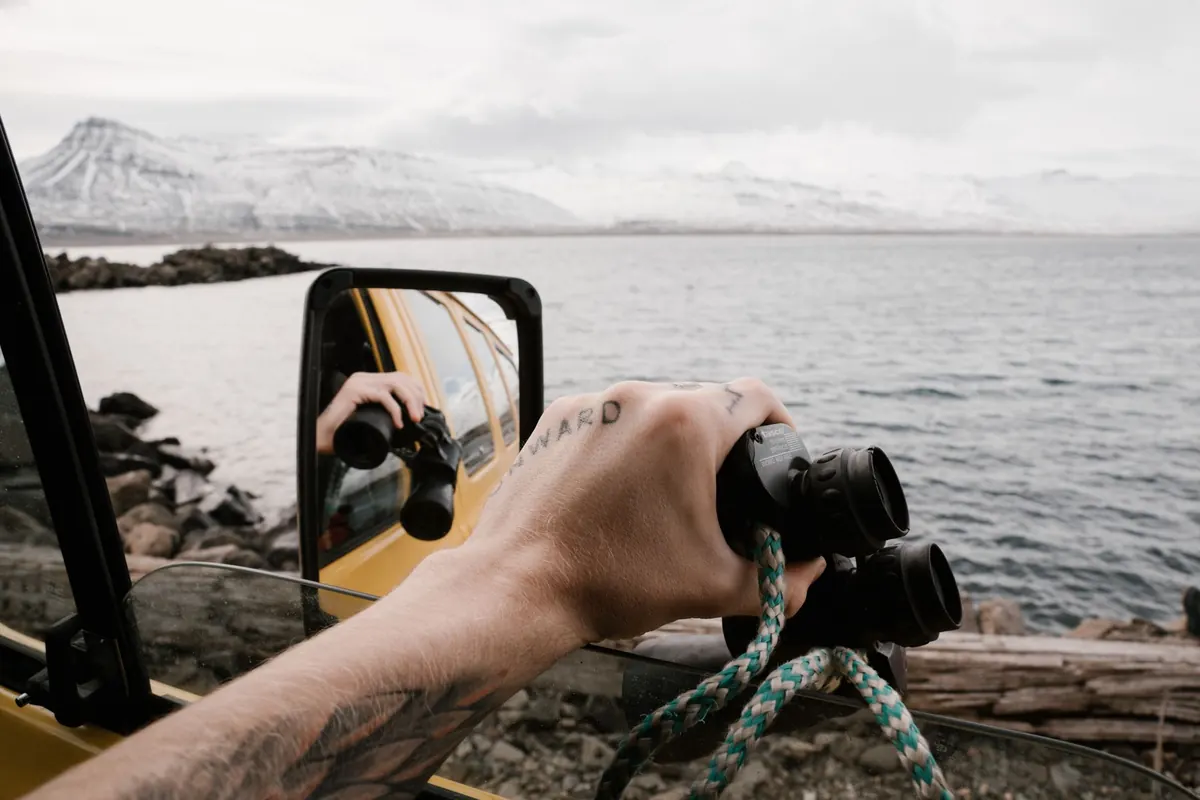
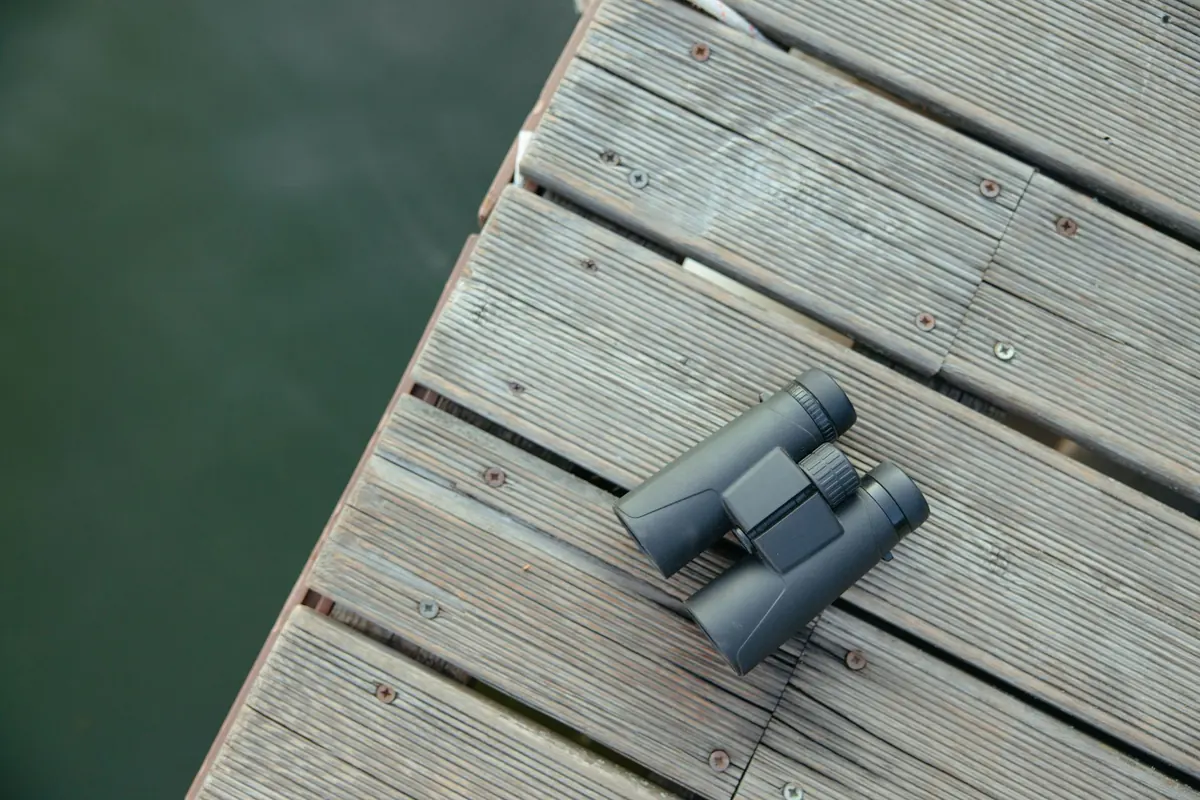
Most beginners hold binoculars badly and assume the fault is the glass. Set the eyecups to suit whether you wear glasses, then adjust the dioptre ring properly, one eye at a time. The main skill is bringing your eyes to the binoculars rather than the binoculars to your eyes. Pick a fixed object such as a fence post, keep looking at it, and raise the binoculars without moving your head. Keep both eyes open, and tuck your elbows against your ribs to steady the view.
Treating birdsong as background noise
Most birds are heard long before they are seen. Learn six calls and a walk changes: robin, wren, blackbird, great tit, blue tit, chiffchaff. Start with whatever sings in your garden or local park, then add the alarm calls, which tell you a sparrowhawk or a cat is about and often point you towards a hidden flock.
A birdsong app can narrow down a call, but treat its answer as a suggestion rather than a verdict, and try to find the bird to confirm it.
Start with one small change
Pick a single item from this list for your next outing. The easiest, and the one that pays back fastest, is the twenty-minute sit: find a spot with a hedge on one side and open ground on the other, settle in, and count what arrives. Take a notebook and jot down the date, the place, the weather and the species you saw or heard. Over a season, that rough record becomes a picture of your local patch no guidebook can give you.
Birdwatching rewards the quiet and unhurried. Slow down, keep your distance, listen more than you look, and the birds will do most of the work for you.
Photo: Yaroslav Shuraev / Pexels