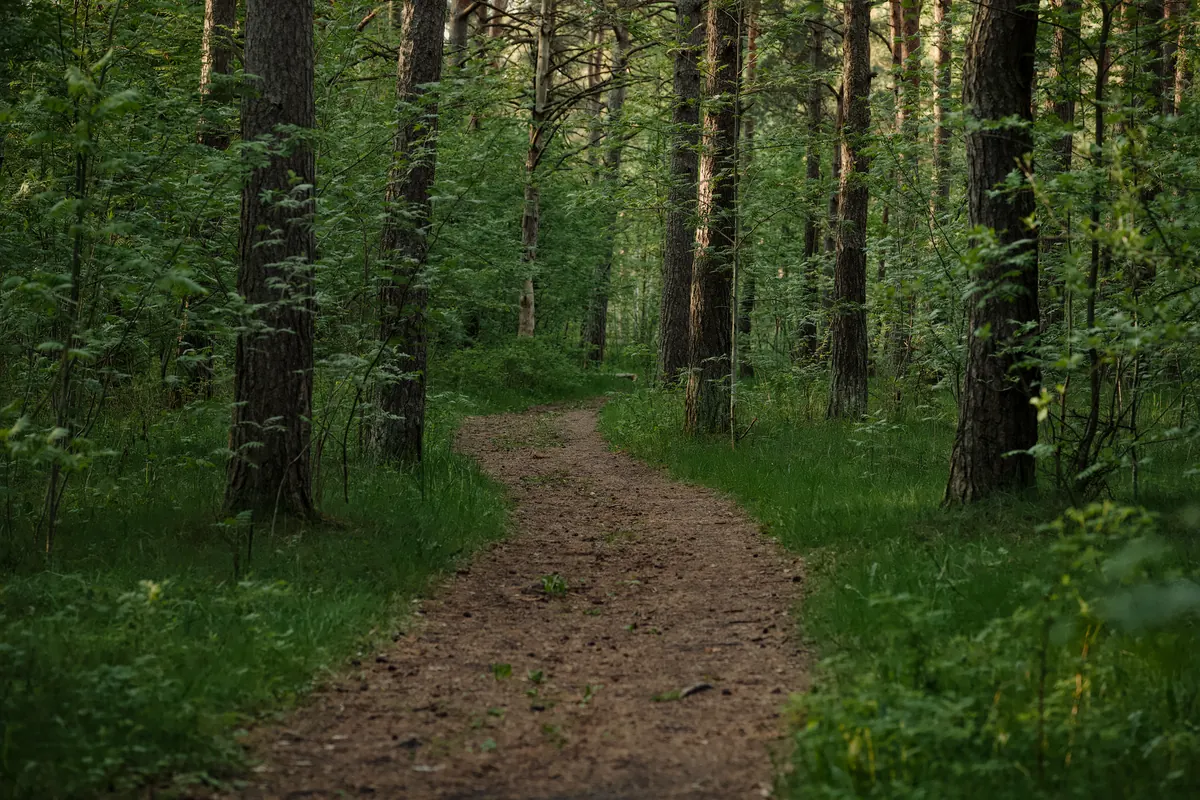
Stand in a British oak wood at half past five on a May morning and the sound is almost absurd: thrushes, tits, warblers and wrens all singing at once, each one convinced it is the only bird in the county. Learning to pick them apart takes a few weeks of deliberate listening, and it is one of the most rewarding skills in birdwatching. You do not need perfect pitch or expensive kit. You need a wood, an early alarm, and a handful of phrases you can hum back to yourself.
Why spring is the listening season
Birds sing for two reasons: to hold territory and to attract a mate. That means the soundtrack builds through the year in a fairly predictable way, and knowing the sequence tells you what to expect.
Residents start early. Robins and song thrushes sing on mild January mornings, and by late February blackbirds and great tits have joined them. Migrants arrive in waves: chiffchaffs from mid-March, blackcaps and willow warblers in early April, then later arrivals such as garden warblers towards the end of that month.
Peak singing is late April into May, with a smaller burst in the early mornings and evenings of June. By July many birds go quiet for their summer moult, so the window is short. If you manage only a few trips, make them April and May.
Three habits that sharpen your ear
- Learn three songs at a time. Pick a robin, a great tit and a song thrush, then stop. Ten songs half-learned is worse than three you can recognise instantly.
- Stand still for ten minutes. Most people walk, hear something, and keep walking. Stop, close your eyes, and wait for the sound to repeat. Repetition is the whole point of a bird's song, and it is your best identification tool.
- Record and check later. A phone recording of twenty seconds is enough for most species. Note the time and place, listen back in the evening, and compare it with a birdsong guide.
One rule worth keeping: avoid playing recordings back in spring, especially near a nest. It draws birds away from feeding and adds stress at the busiest point of their year.
The woodland regulars and what they say
Song thrush and blackbird
Both are thrushes, both sing from high perches in the half-light, and the difference is repetition. The song thrush delivers each phrase two or three times before moving on: "cherry, cherry, cherry… did-you-see-me, did-you-see-me…" Loud, clear and almost mechanical. The blackbird never repeats himself. His song flows in rich, unhurried, fluting phrases, usually ending with a squeaky, slightly awkward flourish. Once you have heard the contrast, you will not muddle them again.
Great tit and chiffchaff
The great tit sounds like a bicycle pump: a confident two-note phrase, the second note lower. Most people learn it as "teacher, teacher". The chiffchaff says its own name, evenly and without hurry — chiff chaff chiff chaff — with both notes at the same pitch. Hear a small bird singing from the top of a birch in late March, and it is very often a chiffchaff, back before almost everything else.
Small birds with big voices
The wren is barely a handful of feathers and sings with startling volume: a fast, rattling, buzzy trill with a hard edge, usually delivered from low cover. The goldcrest sits at the opposite end of the scale, with an extremely thin, high, repeated phrase that ends in a flurry, often in pines or dense conifers. The coal tit gives a thin, hurried version of the great tit's two notes, faster and higher, like the same phrase played back too quickly.
Sounds that are not songs
Not everything you hear is sung. A great spotted woodpecker drums: a short, even burst of strikes on dead wood lasting about a second, a machine-gun that stops abruptly. The nuthatch whistles a repeated, unhurried wheet wheet wheet that carries surprisingly far. And the treecreeper gives a very thin, high see as it works up a trunk, easy to miss unless you are listening for it.
Telling similar songs apart
- Chiffchaff or willow warbler? The chiffchaff is two notes, steady and repetitive. The willow warbler is a soft, sweet, descending cascade that fades at the end — a ripple rather than a rhythm. The chiffchaff is usually the earlier arrival, too.
- Blackcap or garden warbler? Both give a long, rambling warble. The blackcap opens with a few clear, fluty notes and then turns scratchy and jumbled. The garden warbler is more even throughout: a steady, quiet babble with no distinct opening.
- Robin or dunnock? The robin's song is thin, wistful and high, with a trickling, melancholy feel. The dunnock's is a quick, even, slightly flat warble — pleasant, but easy to walk past.
When to listen
The hour after first light is the richest. On a calm May morning the chorus often begins around four, before the sky is grey, and peaks over the next hour or so. There is a rough order to it: robins and song thrushes start, blackbirds follow, then the tits, then the warblers as the light comes up. Arriving early and staying put for half an hour will teach you that sequence faster than any book.
Conditions matter as much as timing. Still, dry, mild mornings are best; wind and heavy rain flatten the sound and push birds into cover. A morning after overnight rain, when the air is damp and quiet, is often superb.
A simple spring routine
Choose one wood and visit it weekly from March to June. Walk in, find a spot, and stand still for fifteen minutes before you go any further. Learn the three commonest songs properly, then add two more the following week. Note down what you heard and where, and do not worry about the ones you miss.
By June, you will hear that same wood as a set of distinct voices rather than a wall of noise. If you can name a chiffchaff from the car park without leaving it, you have arrived.
Photo: Lauri Poldre / Pexels