A wetland reserve is one of the most generous places to start birdwatching. The birds are often big, slow-moving and reasonably close, and a hide gives you time to watch properly instead of snatching a glimpse. The catch is that wetland wildlife runs on its own clock. Turn up at the wrong state of tide and you can spend an hour staring at empty water. A little planning turns a pleasant walk into a genuinely good day's birding.
Do Ten Minutes of Homework First
Before you think about binoculars, open the reserve's own website. You want four things: opening times, parking arrangements, whether dogs are allowed, and the latest sightings page. Most reserves open from dawn until dusk, but car parks sometimes have barriers or charges, and a few sites ask you to book in advance. The sightings log is the most useful item on the page. If marsh harriers have been showing well from the second hide all week, that is where you should head first.
Check whether the reserve is freshwater, estuarine, or both. That single fact decides whether tides matter. A gravel pit with reedbeds will be much the same all day. A reserve on an estuary can be transformed between morning and afternoon.
Read the Tide Table Before You Choose Your Arrival Time
On tidal sites, the highest tides usually give the best views. As the water rises over the mudflats, waders and wildfowl are pushed off the open estuary and onto lagoons, scrapes and roost islands right in front of the hides. Pick a day when high tide falls in daylight, then arrive roughly two hours before it. That gives you time to walk out, settle in, and be in position as the birds gather.
Springs, neaps and the wind
Tide tables show two useful things: the time of high water and the height. Spring tides, which come around the new and full moon, have a larger range, so the high is higher and more habitat floods. Neap tides are gentler and push fewer birds into view. Wind matters too. A strong onshore wind can hold water in the estuary and raise levels further; an offshore wind can leave the predicted high tide looking oddly low.
Practical details
- Use a free tide table from the harbour authority, the Admiralty, or a reputable tide app, and check the port nearest the reserve rather than one along the coast.
- Note whether the reserve lies between two tide points; times can differ by twenty minutes or more.
- Some reserves post a board showing the tide state. Photograph it on your way in.
- If the tide is low when you arrive, walk the trails first and save the hides for the last two hours.
- Never walk out onto mudflats or follow creeks to get closer. Estuary mud is soft, channels fill quickly and behind you, and the tide can cut off a route you walked in on.
Pack for a Long Sit, Not a Stroll
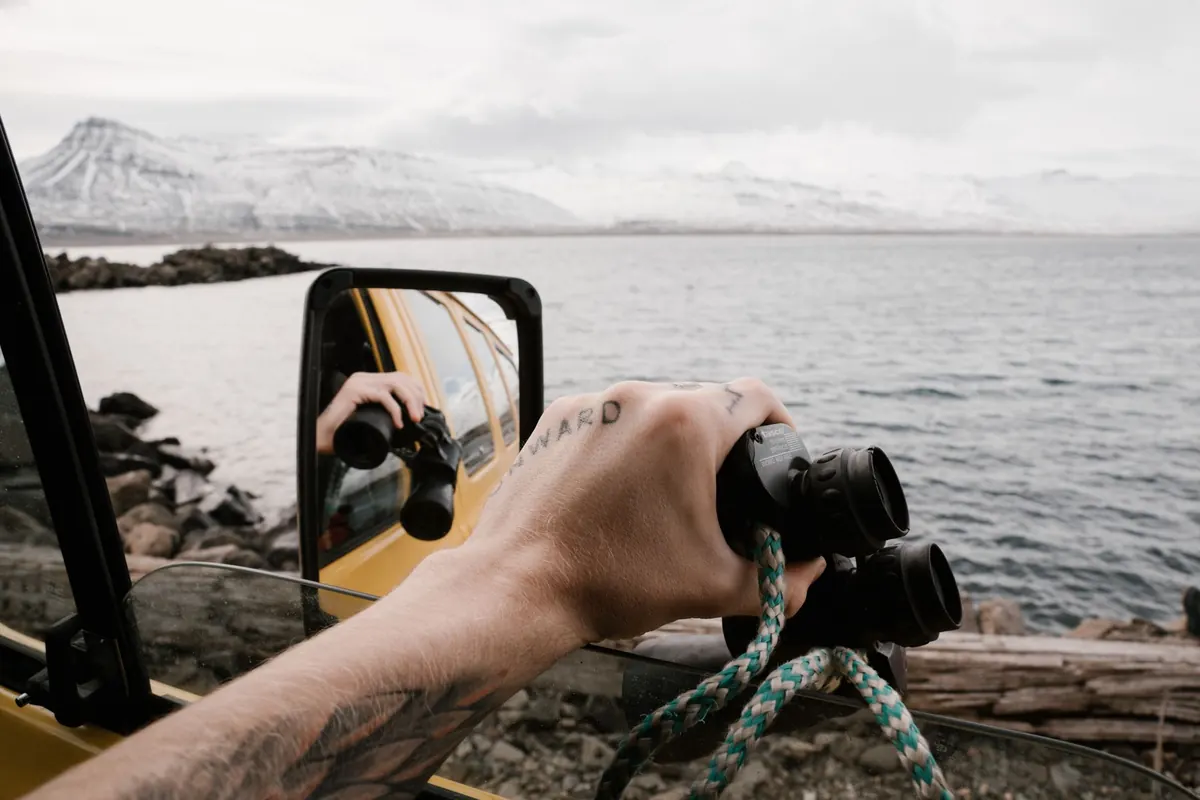
Wetland birding is mostly standing still in a cold breeze, so warmth beats style. Waterproof boots are close to essential; even a dry day leaves wet grass and muddy paths. Bring binoculars you can hold comfortably for an hour, a scope if you have one, a flask, and something to sit on if the hide benches are hard. Gloves that let you focus a lens are worth more than they sound.
Leave the bright clothing at home. A dark green, brown or grey jacket keeps you less visible through a hide window, and it matters far more than any camouflage pattern. A small notebook, or a phone note, is useful for jotting down what you saw and where.
Using a Hide Properly
A hide only works if everyone inside it behaves the same way. Birds react to movement and to silhouettes in the window openings.
- Approach quietly and close the door gently behind you. Slamming doors clear a lagoon.
- Open only the shutters you need, and keep yourself back from the opening so you are not outlined against the light.
- Talk in a low voice, or not at all. If you must take a call, step outside.
- Do not tap the glass, wave at birds to make them move, or use playback recordings to pull birds closer.
- No flash photography, and no drones, ever.
- Share the space. If the hide is full, wait or come back later rather than blocking someone's view.
- When you find something good, help others find it: "left of the third island, behind the sleeping duck".
If you are the only person there, resist the urge to leave after ten minutes. Give the birds twenty minutes to settle, and the reserve will usually reward you.
Identifying the Birds You Will Actually See
You do not need to know everything. Learn six or seven common species well and the rest become easier by comparison. Work through shape, size, bill, legs, behaviour and habitat, in that order.
Ducks and grebes
Watch how they feed. Dabbling ducks tip forward with their tails up; diving ducks disappear beneath the surface. Mallards are the familiar green-headed birds. Teal are noticeably smaller and neater, wigeon have a chestnut head with a pale crown stripe and a whistled call, and shovelers carry an absurdly large spoon-shaped bill. Tufted ducks show a dangling tuft and white flanks; pochards are rounder with a reddish-brown head. Among the grebes, little grebes are small and dumpy with a powder-puff rear, while great crested grebes are long-necked and elegant.
Waders
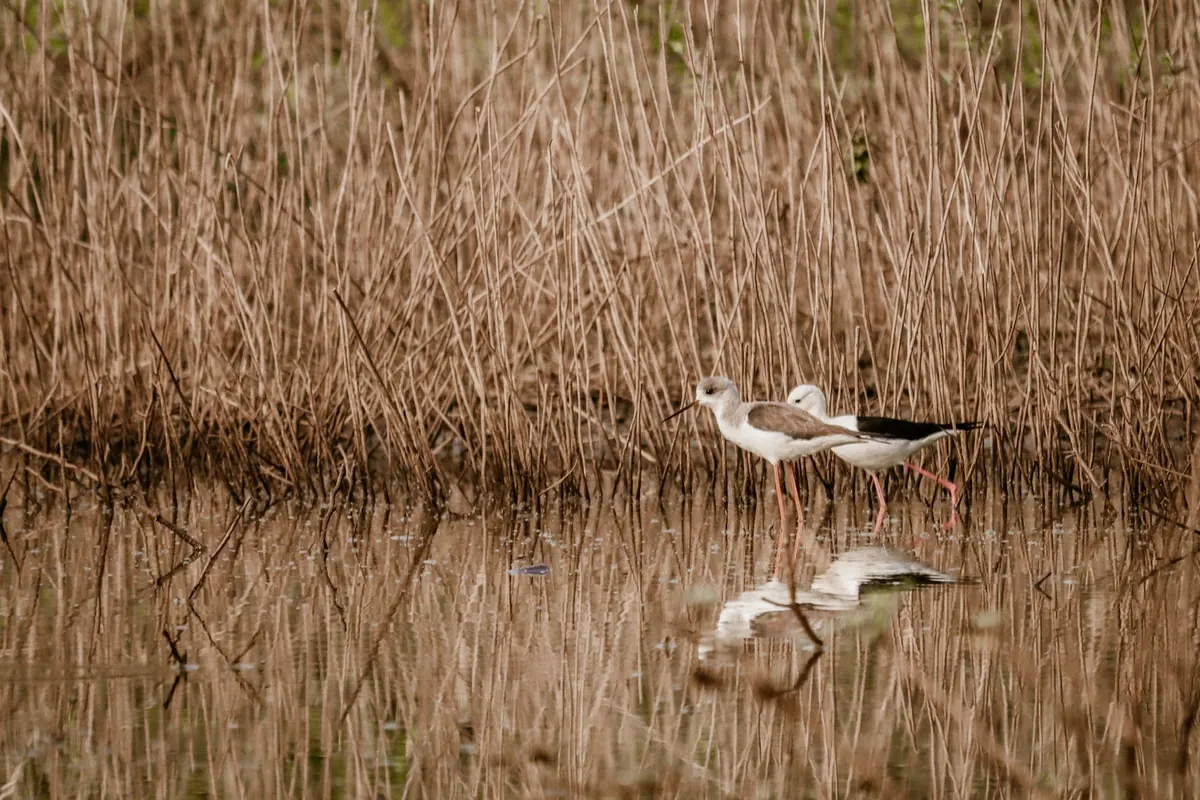
Legs and bills do most of the work. Redshank have bright red legs, oystercatchers an orange bill, curlews a long downward curve, black-tailed godwits a long straight bill, and avocets a delicate upturned one. Lapwings look broad-winged and floppy, with a pee-wit call. Golden plovers stand upright and neat, catching the light. Snipe sit tight and cryptic at the water's edge, and you will often miss them until one explodes upward.
Reedbeds and margins
Scan the edges for grey herons, little egrets and cormorants. Kingfishers announce themselves as a blue streak and a sharp whistle. In the reeds, listen for the pig-like squeal of a water rail and the explosive song of a Cetti's warbler in southern counties. Bearded reedlings, sometimes still called bearded tits, ping as they move through the stems, and in spring a booming bittern is one of the great sounds of a British reedbed. Above it all, a marsh harrier quartering low over the vegetation is a fine way to end a visit.
Making the Day Work
Plan loosely: walk the trail on arrival, then commit to one hide for the final stretch rather than dashing between them. Note the tide state in your log so your next visit can be timed differently, and if the birds were distant, come back on a spring high. Join the reserve's mailing list or local bird club, and you will soon know when the first winter wildfowl arrive or the first sedge warblers return. Above all, take your time. The best wetland days are the quiet ones, when you sit still long enough for the reserve to carry on around you.
Photo: Snapxy Officials / Pexels